Commercial · Cape Coral, FL
Keep production moving with industrial epoxy flooring built for forklifts, chemicals, and daily washdowns. Elite Epoxy Cape Coral has served Cape Coral since 2015, installing and repairing high-build epoxy, urethane cement, and polyaspartic systems for manufacturing plants.
Industrial epoxy flooring succeeds or fails on preparation, so we start with the slab, not the topcoat. We test for moisture vapor emission (ASTM F2170 in-situ RH probes, or ASTM F1869 calcium chloride where appropriate), map cracks and joints, and check flatness and contamination from oils, coolants, and tire plasticizers. Surface prep is mechanical, not acid etch: diamond grinding or shot blasting (ICRI CSP 3-5 for most epoxy, CSP 5-7 for heavy-build systems), then HEPA vacuuming, degreasing, and epoxy crack repair with polyurea or epoxy gel. Where vapor pressure is high, we specify a moisture-mitigating epoxy primer before the build coats so adhesion is not left to chance.
Cape Coral’s humidity and frequent wet maintenance can expose weak coatings, so we match the resin to the environment and traffic. For chemical resistance and easy cleaning, we install 100 percent solids epoxy with a broadcast aggregate and a wear-resistant urethane topcoat, or fast-return polyaspartic where downtime is tight. For hot water, steam, thermal shock, and aggressive washdowns, urethane cement (urethane mortar) is often the right base, finished with a pigmented urethane or epoxy for color stability. Slip resistance is engineered with silica sand or aluminum oxide to target your needs, from smooth ESD-ready areas to aggressive traction for loading zones, with cove base and floor-to-wall terminations available for sanitation.
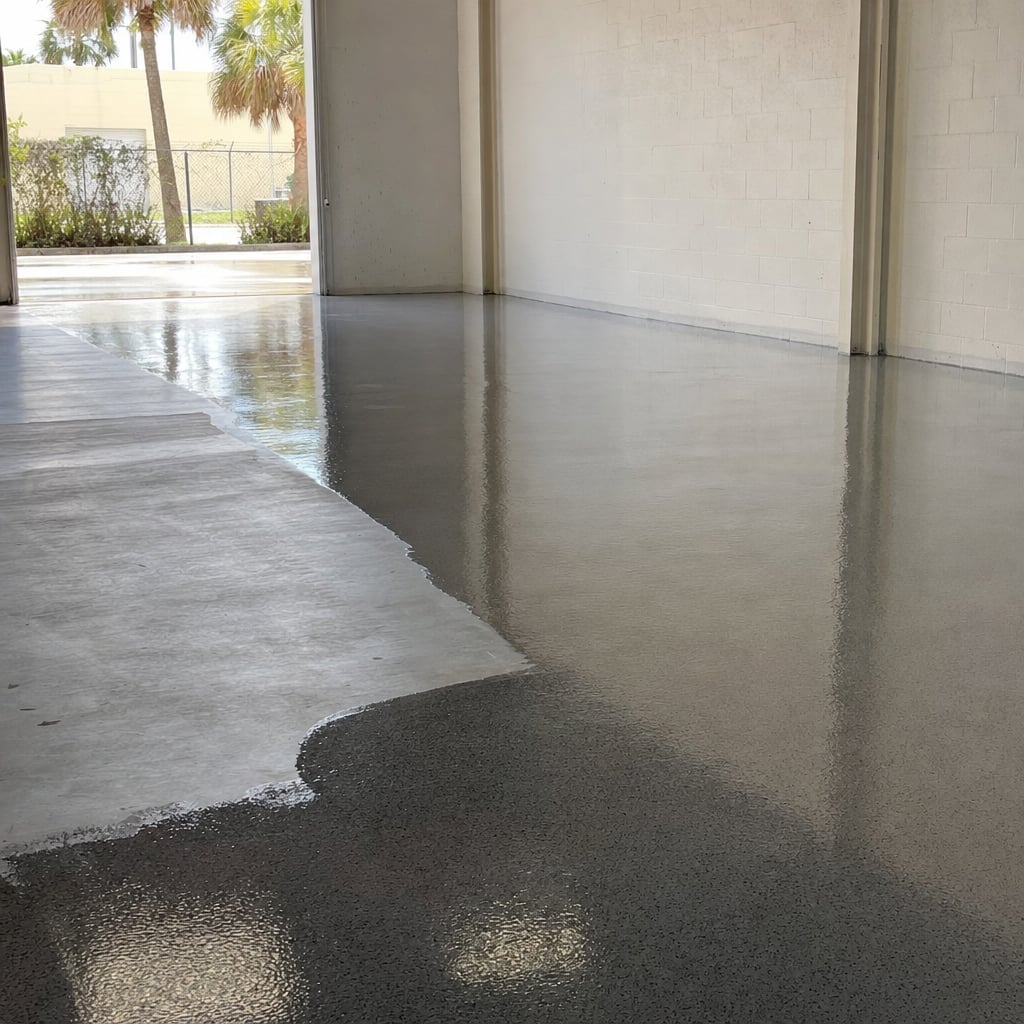
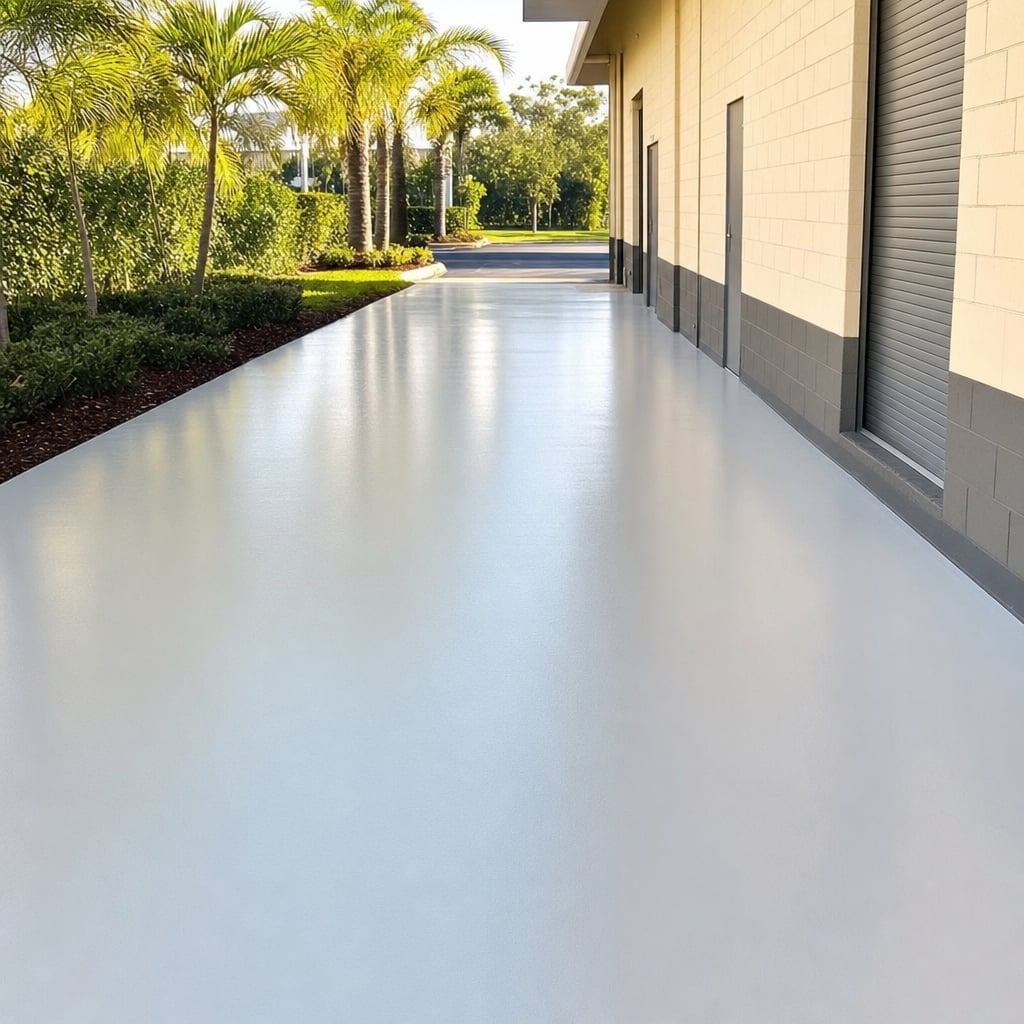
Manufacturing customers in Cape Coral choose us because we run projects like a plant shutdown, not a house job. We coordinate around shifts, isolate work zones with clean prep practices, and control dust with HEPA collection to protect equipment and product. You get clear system options with real specifications (mil thickness, ICRI CSP target, topcoat type, cure schedule), plus honest recommendations when patching is smarter than a full replacement. As a licensed and insured epoxy contractor, we focus on durable bonds, proper cure windows, and coatings that stand up to forklifts, pallet jacks, and point loads.
Before we leave, we do a closing walkthrough with your maintenance lead and document what was installed and how to care for it. You receive a written scope, system data sheets, color and texture selections, joint and crack repair notes, and a cure and return-to-service plan (foot traffic, light rolling loads, full chemical exposure). We can stripe lanes, mark safety zones, and integrate transitions at drains, doorways, and equipment pads for a clean, inspectable finish. If you are calling us for repair, we trace the failure to the root cause, moisture, contamination, improper prep, or impact damage, then tie new material into sound coatings so the fix lasts.
Most residential garage floors are completed in 1-2 days depending on repairs and the system selected. Cure time varies by product and conditions, but many polyaspartic topcoats allow faster return-to-service than epoxy-only builds.
Light foot traffic is often possible within 12-24 hours, with vehicles commonly 24-72 hours after the final coat depending on temperature, humidity, and the topcoat used. We provide exact timing at the walkthrough.
Yes. We can add traction media such as aluminum oxide or polymer grit to the clear coat, or use a flake texture that improves grip while still cleaning easily.
Some epoxies can amber with UV exposure. For areas that get sunlight, we typically recommend a UV-stable polyaspartic or aliphatic urethane topcoat to reduce discoloration.
Sometimes. We evaluate adhesion and thickness, then grind to a sound surface or remove failed coatings. If the existing layer is peeling or contaminated, removal and re-coating is the reliable route.
Industrial epoxy flooring is a practical upgrade for manufacturing plants that need a cleanable, chemical-resistant surface with predictable traction and long service life. Elite Epoxy Cape Coral installs and repairs epoxy and resinous flooring systems designed for forklift traffic, heavy racks, and daily cleaning routines, with system selection based on slab condition, moisture, and the real loads on the floor.
A typical industrial epoxy flooring scope includes mechanical surface preparation, crack and joint treatment, primer, build coats, and a chemical-resistant topcoat. Depending on your process, we may add a full broadcast system for traction and durability, install an integral cove base for sanitation, or apply an ESD-rated system for sensitive areas. We also handle partial repairs, re-topcoats, and bond tests to confirm whether an existing floor can be reliably renewed or should be removed to sound concrete.
Cape Coral facilities often deal with moisture drive, heat, humidity, and frequent wet cleaning, so we pay close attention to vapor transmission, cure times, and the right resin chemistry. When needed, we specify moisture-tolerant primers, thicker builds, or urethane cement in zones exposed to hot water, oils, or aggressive chemicals. The goal is a floor that resists peeling, softening, and tire marks while remaining easy to scrub, squeegee, and inspect.
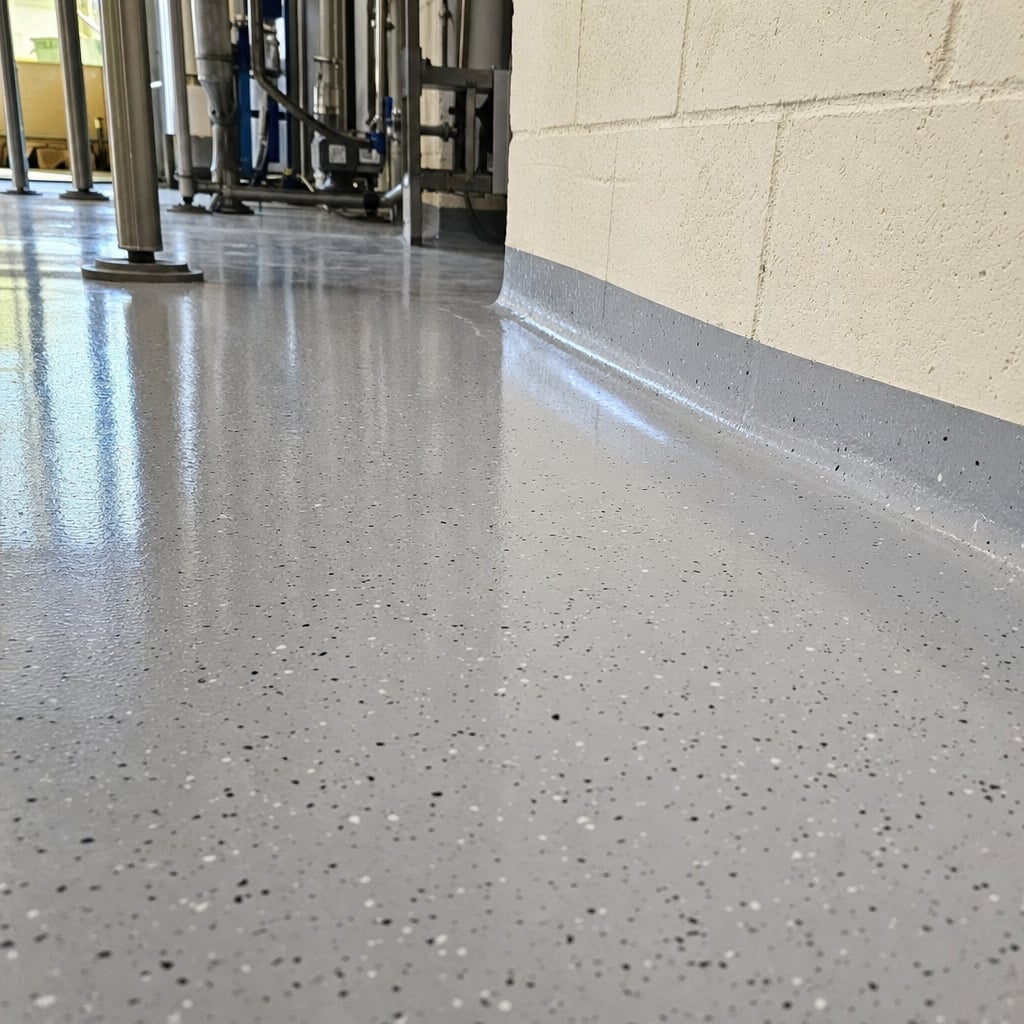
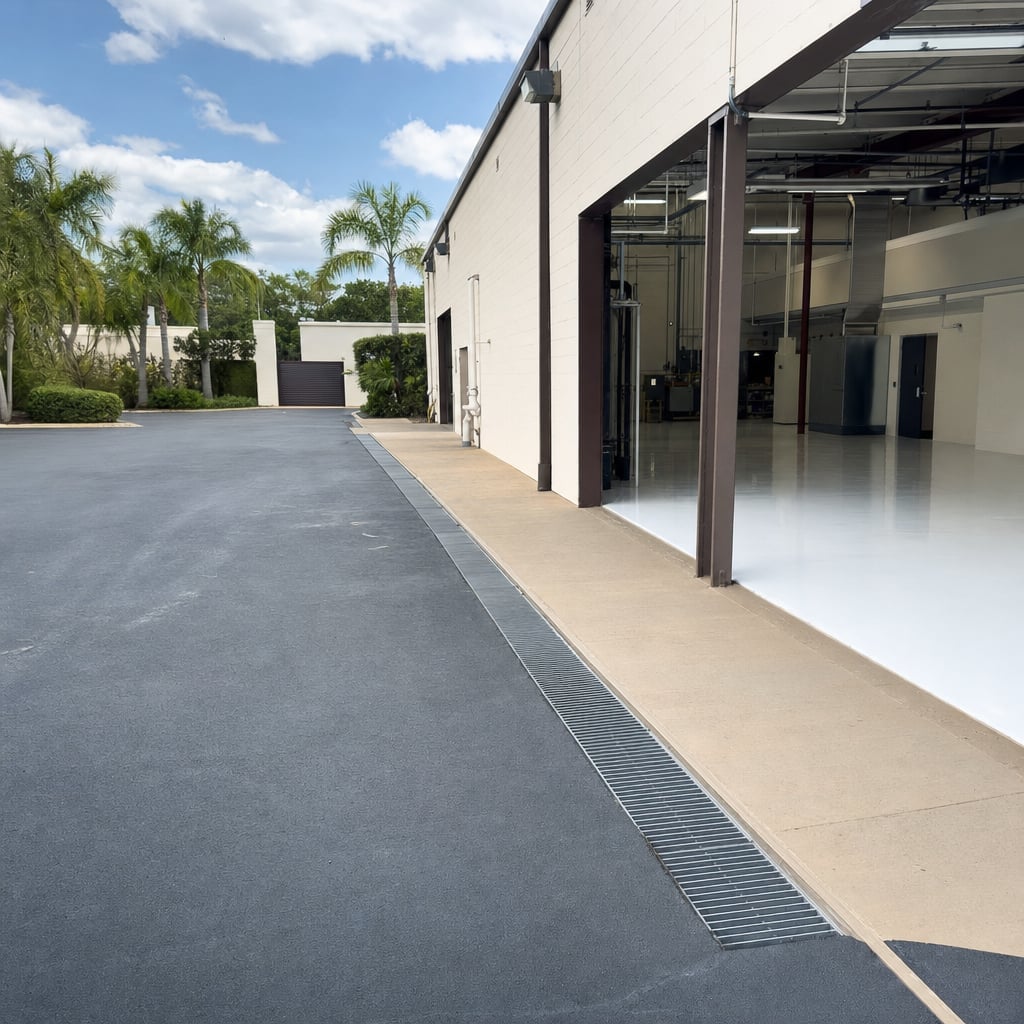
If you are planning a shutdown window or need phased work to keep production running, we will outline a step-by-step schedule, safety controls, and a return-to-service timeline. Request a free written estimate for industrial epoxy flooring installation or repair, and we will recommend a system that fits your plant, your traffic, and your maintenance routine.
Call now or send a request and we will reach out within one business day to schedule your free, no-obligation estimate in Cape Coral. We assess the project, review the details, and give you a written quote before any work starts, so you know exactly what to expect.
Prefer to write? Contact us or head back to the home page.