Residential · Cape Coral, FL
Old coatings fail for a reason, so epoxy removal has to start at the slab, not the top layer. Elite Epoxy Cape Coral has served Cape Coral since 2015, stripping failed epoxy and rebuilding floors with proper grinding, repairs, and industrial-grade recoats.
Prep and base determine whether a recoat bonds or peels. We start with a site check for delamination, moisture vapor, oil contamination, and incompatible coatings (acrylic sealers, urethane topcoats, paint). Removal is typically done with dust-controlled diamond grinding using a planetary grinder and HEPA vacuum, then crack chasing and patching with epoxy gel, polyurea, or polymer-modified repair mortar as needed. The goal is a clean, profiled concrete surface (CSP matched to the system) so the new primer can mechanically bond and lock in.
Cape Coral’s heat, humidity, and wet-season moisture swings can push vapor through slabs and stress older coatings. We adjust the system to the conditions with moisture testing, the right primer (including moisture-mitigating epoxy when required), and a build designed for the space, garage, lanai, warehouse, or shop. Finish options include solid-color epoxy, vinyl flake broadcast, quartz, and urethane or polyaspartic topcoats for abrasion, chemical, and UV resistance. Slip resistance can be tuned with aluminum oxide or polymer grit, and transitions at drains, stems, and control joints are detailed for clean edges and long wear.
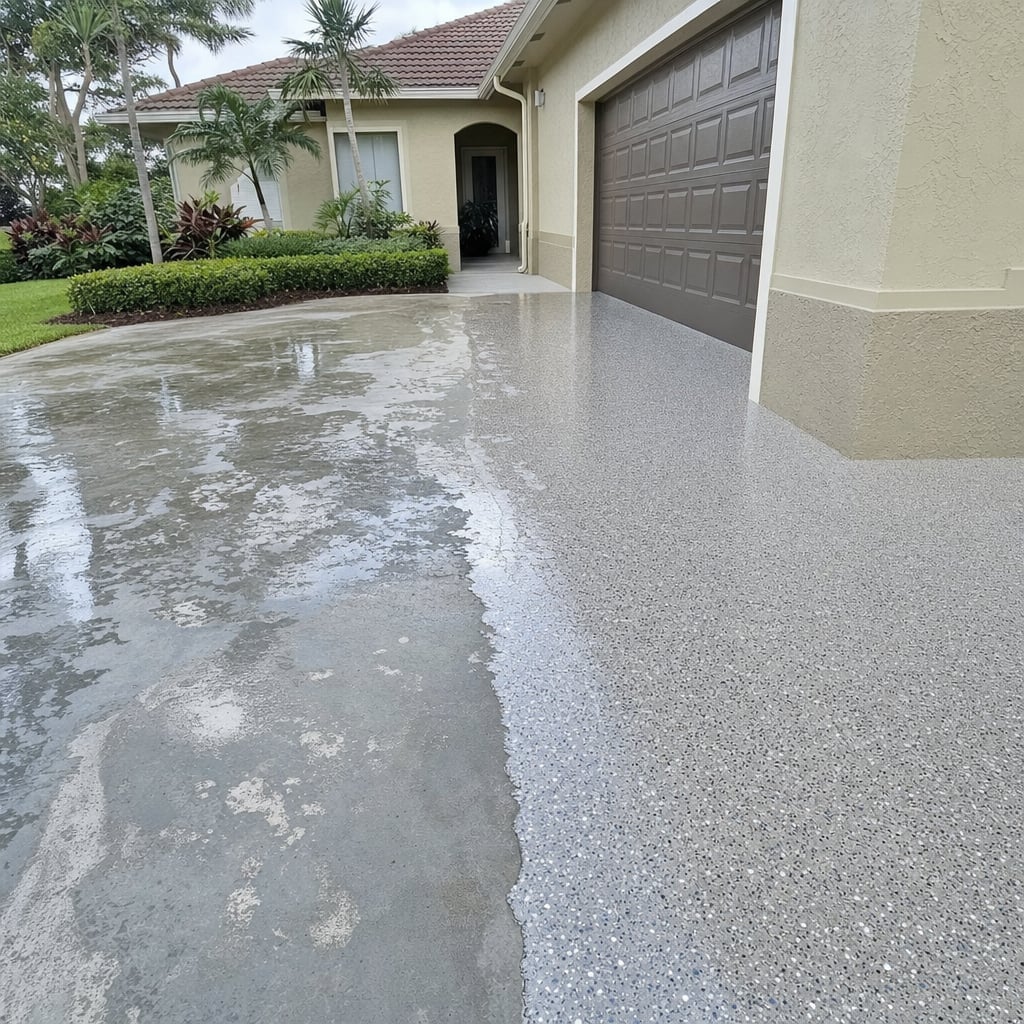
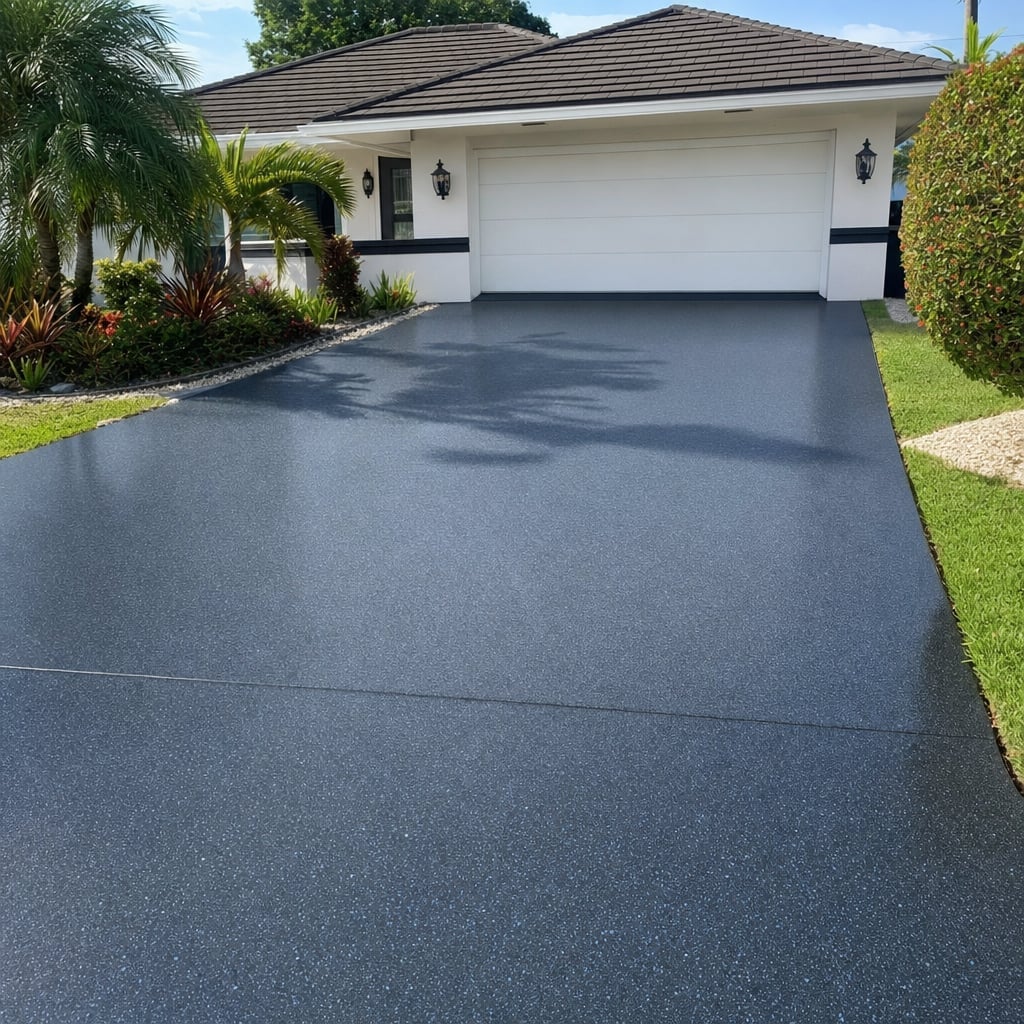
Customers in Cape Coral choose us because epoxy removal is messy, technical work, and we treat it like a process, not a quick scrape and paint. You get a licensed and insured contractor who shows up with commercial grinders, quality diamond tooling, and real dust collection so your property stays cleaner. We explain what failed, what has to be removed versus feathered, and what the new system needs to last, including realistic cure times and traffic windows. Our written estimates spell out prep steps, repair scope, coating type, and topcoat so there are no surprises.
Before we leave, we do a walkthrough with you and confirm coverage, texture, edges, and sheen under job lighting. You receive care and cleaning guidance (pH-neutral cleaners, no harsh degreasers), recommended mats under hot tires, and a clear cure schedule for foot traffic, vehicles, and heavy equipment. Final deliverables include the installed coating system, proper joint and crack treatment based on site conditions, and a floor that is easier to clean and built to stay bonded. If we find issues like moisture vapor or soft concrete, we document it and recommend the right fix before recoating so you are not paying twice.
Most residential garage floors are completed in 1-2 days depending on repairs and the system selected. Cure time varies by product and conditions, but many polyaspartic topcoats allow faster return-to-service than epoxy-only builds.
Light foot traffic is often possible within 12-24 hours, with vehicles commonly 24-72 hours after the final coat depending on temperature, humidity, and the topcoat used. We provide exact timing at the walkthrough.
Yes. We can add traction media such as aluminum oxide or polymer grit to the clear coat, or use a flake texture that improves grip while still cleaning easily.
Some epoxies can amber with UV exposure. For areas that get sunlight, we typically recommend a UV-stable polyaspartic or aliphatic urethane topcoat to reduce discoloration.
Sometimes. We evaluate adhesion and thickness, then grind to a sound surface or remove failed coatings. If the existing layer is peeling or contaminated, removal and re-coating is the reliable route.
If your floor is peeling, bubbling, or worn through, epoxy removal is usually the only responsible way to rebuild the system. Simply “painting over” a failed coating traps contamination and leaves weak layers underneath, so the new epoxy bonds to failure instead of concrete. Elite Epoxy Cape Coral removes old epoxy and recoats concrete floors with a prep-first approach that targets adhesion, moisture control, and long-term wear in garages, commercial bays, warehouses, and multi-use spaces.
Our epoxy removal process typically starts with mechanical grinding using a planetary grinder and diamond segments matched to the coating thickness and slab hardness. Mechanical prep is preferred over chemical stripping because it removes weak layers, opens the concrete profile, and avoids residue that can interfere with adhesion. After removal, we address cracks, spalls, and pitting with epoxy mortar, polyurea, or polymer-modified patch materials, then re-grind to a uniform surface. Where moisture vapor is a concern, we verify conditions and recommend primers and build coats that reduce risk of blistering or delamination.
Recoating options depend on use and exposure. For residential garages, a flake broadcast in 100 percent solids epoxy with a polyaspartic or urethane topcoat is common for stain resistance and easy cleanup. For commercial spaces, we can specify thicker build coats, higher abrasion resistance, and textures that improve slip resistance without becoming a dirt trap. We also detail edges, transitions, and joints so the finish looks clean and performs at door thresholds and stem walls.
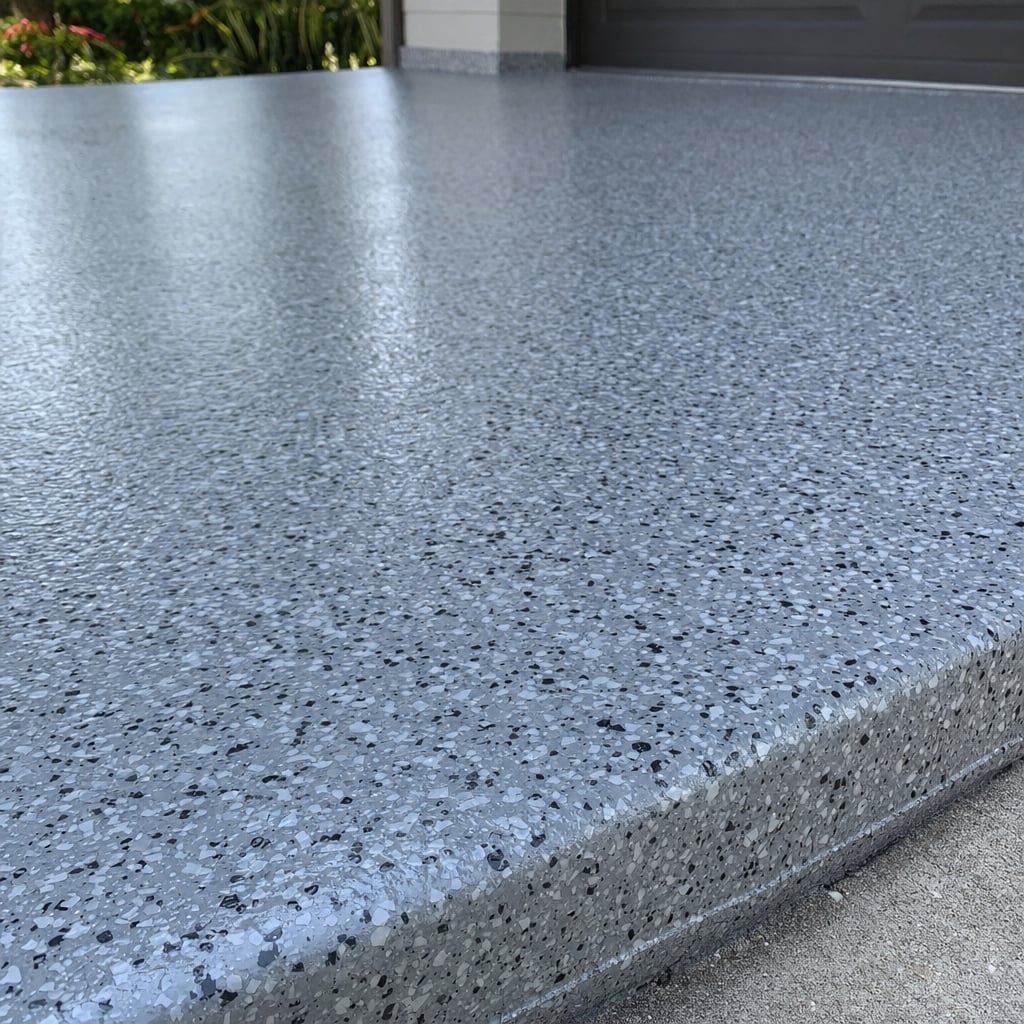
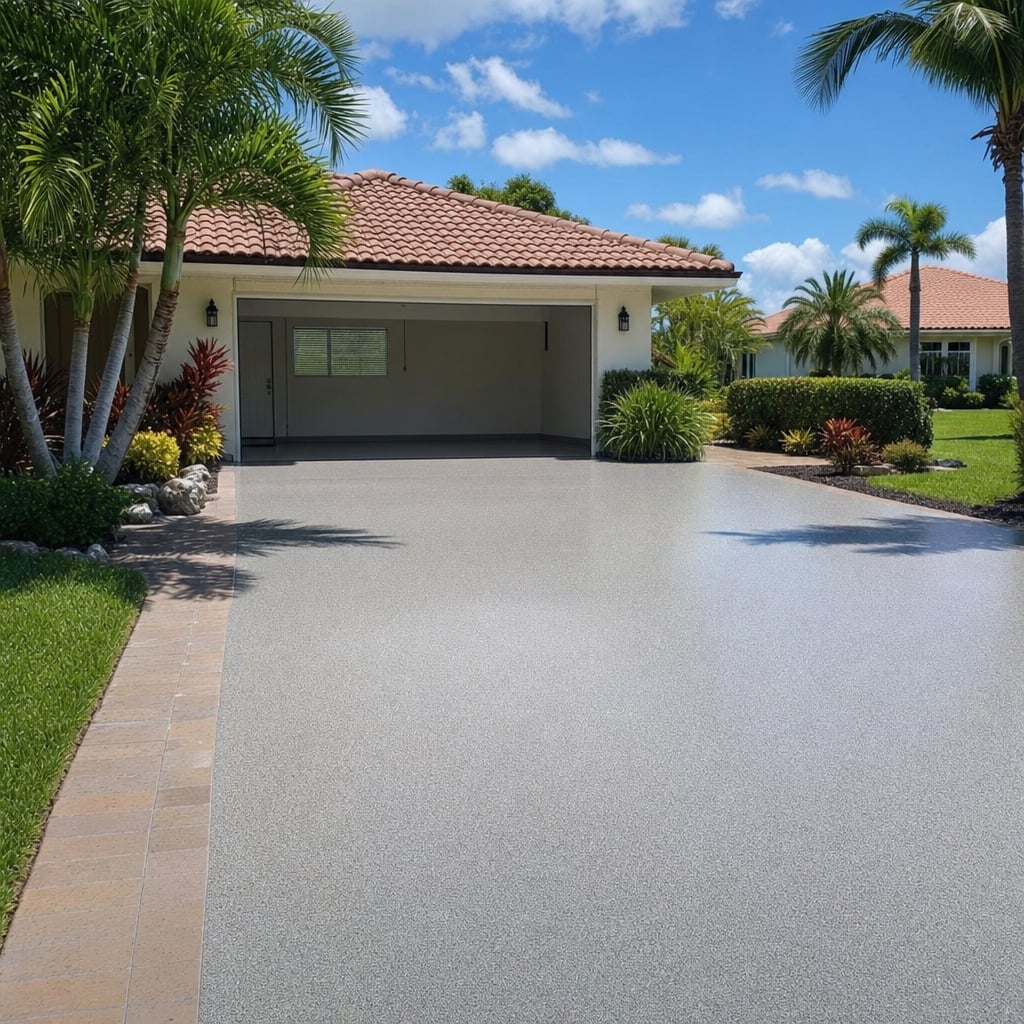
A successful recoat is the sum of the prep, the chemistry, and the schedule. We provide a written scope, confirm cure times for foot and vehicle traffic, and walk the floor with you at completion so you know what to expect and how to maintain it. For epoxy removal and recoating in Cape Coral, contact us to schedule a site visit and get a free written estimate.
Call now or send a request and we will reach out within one business day to schedule your free, no-obligation estimate in Cape Coral. We assess the project, review the details, and give you a written quote before any work starts, so you know exactly what to expect.
Prefer to write? Contact us or head back to the home page.